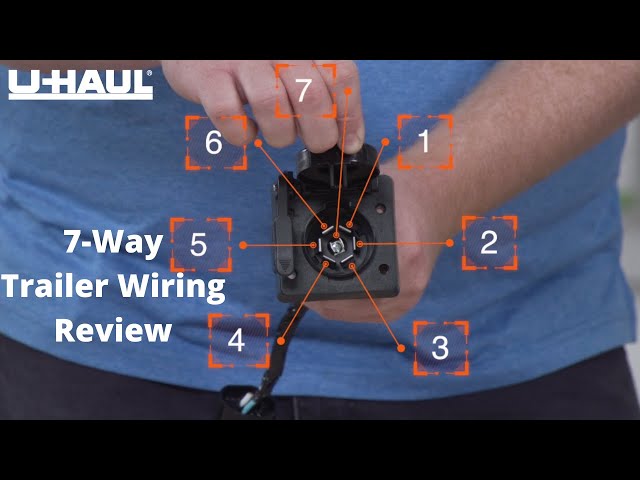
A trailer wiring diagram is a guide that shows how to connect the electrical system of a tow vehicle to the electrical system of a trailer. The diagram typically includes the pinouts for the trailer connector, as well as the wire colors and functions. A 7-pin trailer connector is commonly used for towing trailers that have electric brakes, running lights, turn signals, and brake lights. The 5 wires in a 7-pin trailer wiring diagram are typically:
- White: Ground
- Brown: Tail lights
- Yellow: Left turn signal
- Green: Right turn signal
- Red: Brake lights
Trailer wiring diagrams are important because they ensure that the trailer's electrical system is properly connected to the tow vehicle's electrical system. This is important for safety, as it ensures that the trailer's lights and brakes are functioning properly. Trailer wiring diagrams have been around for many years, and have evolved as trailer technology has advanced. Today, trailer wiring diagrams are typically included in the owner's manual for both the tow vehicle and the trailer.
In addition to the information provided above, here are some additional details about trailer wiring diagrams:
- Trailer wiring diagrams can be found online, in automotive repair manuals, and in some cases, on the trailer itself.
- It is important to use the correct wire colors and functions when connecting the trailer's electrical system to the tow vehicle's electrical system.
- If you are not comfortable wiring a trailer, it is best to have it done by a qualified technician.
trailer wiring diagram 7 pin 5 wires
A trailer wiring diagram is a guide that shows how to connect the electrical system of a tow vehicle to the electrical system of a trailer. The diagram typically includes the pinouts for the trailer connector, as well as the wire colors and functions. A 7-pin trailer connector is commonly used for towing trailers that have electric brakes, running lights, turn signals, and brake lights. The 5 wires in a 7-pin trailer wiring diagram are typically:
- White: Ground
- Brown: Tail lights
- Yellow: Left turn signal
- Green: Right turn signal
- Red: Brake lights
Here are 7 key aspects of trailer wiring diagrams:
- Purpose: Trailer wiring diagrams provide instructions on how to connect the electrical systems of tow vehicles and trailers.
- Safety: Proper wiring is crucial for the safe operation of trailers, ensuring that lights and brakes function correctly.
- Standardization: 7-pin connectors are a standardized design, simplifying connections between different vehicles and trailers.
- Color-coding: Wires are color-coded to match specific functions, making it easier to identify and connect them.
- Grounding: The white wire is essential for grounding the trailer's electrical system, providing a safe path for electrical current.
- Brake lights: The red wire is responsible for powering the trailer's brake lights, ensuring they illuminate when the tow vehicle's brakes are applied.
- Turn signals: The yellow and green wires control the trailer's turn signals, indicating the intended direction of travel.
In conclusion, trailer wiring diagrams are essential for the safe and proper operation of trailers. They provide clear instructions, based on standardized color-coding, to connect the electrical systems of tow vehicles and trailers. Understanding these key aspects helps ensure that trailers are wired correctly, allowing for reliable lighting and braking functions.
White
In the context of a 7-pin trailer wiring diagram, the white wire labeled "Ground" serves a critical role in establishing a secure electrical connection between the tow vehicle and the trailer. Its primary function is to provide a path for electrical current to flow back to the negative terminal of the battery, completing the circuit and ensuring proper functioning of the trailer's electrical components.
- Grounding for Safety: The grounding wire is essential for safety as it prevents the buildup of static electricity and protects against electrical shocks. Without proper grounding, electrical malfunctions and even fires can occur.
- Circuit Completion: The white ground wire completes the electrical circuit between the tow vehicle and the trailer. It provides a return path for current to flow from the trailer's electrical components, such as lights and brakes, back to the vehicle's battery.
- Universal Color-coding: Across various trailer wiring configurations, the white wire is consistently designated as the ground wire. This standardization simplifies wiring and ensures compatibility between different vehicles and trailers.
- Testing and Troubleshooting: The ground wire plays a crucial role in troubleshooting electrical issues with the trailer. By checking for continuity between the white wire and the trailer's frame or negative battery terminal, technicians can quickly identify grounding problems.
In summary, the "White: Ground" wire in a 7-pin trailer wiring diagram is indispensable for establishing a safe and functional electrical connection between the tow vehicle and the trailer. It provides a pathway for current to flow, prevents electrical hazards, and aids in troubleshooting, ensuring the reliable operation of the trailer's electrical systems.
Brown
In the context of a 7-pin trailer wiring diagram, the brown wire labeled "Tail lights" holds significant importance in ensuring the proper functioning of the trailer's lighting system. This wire is responsible for providing power to the trailer's tail lights, which serve as essential safety features, particularly during nighttime driving or in low-visibility conditions.
The significance of the "Brown: Tail lights" wire extends beyond its primary function. It also plays a crucial role in maintaining compliance with legal regulations. In many jurisdictions, having functional tail lights on a trailer is a legal requirement, ensuring the safety of the vehicle and its occupants, as well as other road users.
Understanding the connection between "Brown: Tail lights" and "trailer wiring diagram 7 pin 5 wires" is essential for several reasons. Firstly, it enables technicians and DIY enthusiasts to correctly identify and connect the tail light wiring during the installation process. Proper connection ensures that the tail lights receive the necessary power and function as intended.
Secondly, having a clear understanding of this connection aids in troubleshooting electrical issues related to the trailer's lighting system. By testing the continuity of the brown wire and examining the condition of the tail light bulbs and sockets, electricians can efficiently diagnose and resolve any malfunctions.
In summary, the "Brown: Tail lights" wire in a 7-pin trailer wiring diagram is vital for ensuring the proper functioning of the trailer's tail lights, which are essential for safety and legal compliance. Understanding this connection empowers individuals to correctly install, maintain, and troubleshoot the trailer's lighting system, contributing to the overall safety and reliability of the vehicle.
Yellow
In the realm of trailer wiring, the "Yellow: Left turn signal" wire holds a pivotal role within the comprehensive "trailer wiring diagram 7 pin 5 wires." This wire serves as the conduit for electrical signals that activate the left turn signal lights on the trailer, a crucial safety feature for both the trailer and surrounding vehicles.
The significance of the "Yellow: Left turn signal" wire extends beyond its fundamental function. It plays a critical role in ensuring compliance with legal regulations. In numerous jurisdictions, properly functioning turn signals on trailers are a mandatory requirement, contributing to the safety of the vehicle and its occupants, as well as other road users.
Understanding the connection between "Yellow: Left turn signal" and "trailer wiring diagram 7 pin 5 wires" is paramount for several reasons. Firstly, it empowers technicians and DIY enthusiasts to correctly identify and connect the left turn signal wiring during the installation process. Accurate connection ensures that the turn signal lights receive the necessary power and function as intended, providing clear visual cues to other drivers.
Secondly, having a clear understanding of this connection aids in troubleshooting electrical issues related to the trailer's turn signal system. By testing the continuity of the yellow wire and examining the condition of the turn signal bulbs and sockets, electricians can efficiently diagnose and resolve any malfunctions, ensuring the reliable operation of the turn signal lights.
In summary, the "Yellow: Left turn signal" wire in a 7-pin trailer wiring diagram is indispensable for the proper functioning of the trailer's left turn signal lights, which are essential for safety and legal compliance. Understanding this connection empowers individuals to correctly install, maintain, and troubleshoot the trailer's turn signal system, contributing to the overall safety and reliability of the vehicle.
Green
Within the context of "trailer wiring diagram 7 pin 5 wires," the "Green: Right turn signal" wire plays a critical role in ensuring the proper functioning of the trailer's right turn signal lights. These lights serve as essential safety features, providing clear visual cues to other drivers, particularly during lane changes or turns.
- Electrical Pathway: The green wire acts as the electrical pathway for signals from the tow vehicle to the trailer's right turn signal lights. When the right turn signal is activated on the tow vehicle, an electrical current flows through the green wire, triggering the illumination of the right turn signal lights on the trailer.
- Legal Compliance: Properly functioning turn signals on trailers are a legal requirement in many jurisdictions. The "Green: Right turn signal" wire ensures compliance with these regulations, contributing to the safety of the trailer and its occupants, as well as other road users.
- Troubleshooting: Understanding the connection between "Green: Right turn signal" and "trailer wiring diagram 7 pin 5 wires" aids in troubleshooting electrical issues related to the trailer's right turn signal system. By testing the continuity of the green wire and examining the condition of the turn signal bulbs and sockets, technicians can efficiently diagnose and resolve any malfunctions.
- DIY Installations: For individuals performing DIY trailer wiring installations, the "Green: Right turn signal" wire serves as a guide, enabling them to correctly connect the right turn signal wiring, ensuring the proper and safe operation of the trailer's turn signal lights.
In summary, the "Green: Right turn signal" wire in a 7-pin trailer wiring diagram is vital for the proper functioning of the trailer's right turn signal lights, which are essential for safety and legal compliance. Understanding this connection empowers individuals to correctly install, maintain, and troubleshoot the trailer's turn signal system, contributing to the overall safety and reliability of the vehicle.
Red
Within the context of "trailer wiring diagram 7 pin 5 wires," the "Red: Brake lights" wire holds paramount importance, ensuring the proper functioning of the trailer's brake lights. These lights serve as crucial safety features, providing clear visual cues to other drivers, particularly during braking or deceleration.
- Electrical Pathway: The red wire acts as the electrical pathway for signals from the tow vehicle to the trailer's brake lights. When the brake pedal is depressed on the tow vehicle, an electrical current flows through the red wire, triggering the illumination of the brake lights on the trailer.
- Legal Compliance: Properly functioning brake lights on trailers are a legal requirement in many jurisdictions. The "Red: Brake lights" wire ensures compliance with these regulations, contributing to the safety of the trailer and its occupants, as well as other road users.
- Safety Enhancement: The timely illumination of brake lights on the trailer provides a clear indication to following vehicles that the trailer is slowing down or stopping, allowing them to adjust their speed and maintain a safe following distance, thereby reducing the risk of rear-end collisions.
- Troubleshooting: Understanding the connection between "Red: Brake lights" and "trailer wiring diagram 7 pin 5 wires" aids in troubleshooting electrical issues related to the trailer's brake light system. By testing the continuity of the red wire and examining the condition of the brake light bulbs and sockets, technicians can efficiently diagnose and resolve any malfunctions.
In summary, the "Red: Brake lights" wire in a 7-pin trailer wiring diagram is vital for the proper functioning of the trailer's brake lights, which are essential for safety and legal compliance. Understanding this connection empowers individuals to correctly install, maintain, and troubleshoot the trailer's brake light system, contributing to the overall safety and reliability of the vehicle.
Purpose
Trailer wiring diagrams, including the "trailer wiring diagram 7 pin 5 wires," serve as essential guides for connecting the electrical systems of tow vehicles and trailers. Understanding this connection is crucial for several reasons:
- Safe and Reliable Operation: Proper wiring ensures that the trailer's electrical components, such as lights and brakes, function correctly and reliably. This is particularly important for safety on the road, as it allows other drivers to clearly see the trailer's intentions and respond accordingly.
- Legal Compliance: In many jurisdictions, it is a legal requirement for trailers to have functional lighting and braking systems. Trailer wiring diagrams provide the necessary instructions to ensure compliance with these regulations, reducing the risk of fines or penalties.
- DIY Installations: For individuals performing DIY trailer wiring installations, trailer wiring diagrams provide step-by-step guidance. By following these instructions carefully, DIY enthusiasts can save on professional installation costs while ensuring the trailer's electrical system is wired correctly and safely.
- Troubleshooting and Repairs: In the event of electrical issues with the trailer, trailer wiring diagrams serve as valuable troubleshooting tools. Technicians and DIYers can use these diagrams to identify potential problems and make necessary repairs, ensuring the trailer remains in good working order.
In summary, the connection between "Purpose: Trailer wiring diagrams provide instructions on how to connect the electrical systems of tow vehicles and trailers." and "trailer wiring diagram 7 pin 5 wires" underscores the importance of proper wiring for the safe, legal, and reliable operation of trailers. Understanding this connection empowers individuals to correctly install, maintain, and troubleshoot trailer wiring systems, contributing to overall road safety and the effective use of trailers.
Safety
The connection between "Safety: Proper wiring is crucial for the safe operation of trailers, ensuring that lights and brakes function correctly." and "trailer wiring diagram 7 pin 5 wires" highlights the critical role of proper wiring in ensuring the safety and reliability of trailers. The "trailer wiring diagram 7 pin 5 wires" provides detailed instructions on how to connect the electrical systems of tow vehicles and trailers, including the wiring for lights and brakes.
Proper wiring is essential for ensuring that the trailer's lights and brakes function correctly. This is important for several reasons. First, it ensures that other drivers can clearly see the trailer, especially at night or in low-visibility conditions. This helps to prevent accidents by allowing other drivers to anticipate the trailer's movements and react accordingly.
Second, proper wiring ensures that the trailer's brakes function correctly. This is important for preventing the trailer from swaying or jackknifing, which can lead to accidents. In addition, proper wiring helps to prevent electrical fires, which can be dangerous and cause extensive damage.
Understanding the connection between "Safety: Proper wiring is crucial for the safe operation of trailers, ensuring that lights and brakes function correctly." and "trailer wiring diagram 7 pin 5 wires" is essential for anyone who tows a trailer. By following the instructions in the wiring diagram, you can ensure that your trailer is wired correctly and safely, reducing the risk of accidents and ensuring the safety of yourself, your passengers, and other road users.
FAQs about Trailer Wiring Diagrams (7 Pin, 5 Wires)
Trailer wiring diagrams provide instructions on how to connect the electrical systems of tow vehicles and trailers. The 7-pin, 5-wire configuration is commonly used for trailers with electric brakes, running lights, turn signals, and brake lights. Here are answers to some frequently asked questions about these wiring diagrams:
Question 1: What is the purpose of a trailer wiring diagram?A trailer wiring diagram provides a visual guide for connecting the electrical wires between a tow vehicle and a trailer. It shows the location of each wire, its color, and its function. This information is essential for ensuring that all of the trailer's electrical components are functioning properly.
Question 2: What are the different types of wires in a 7-pin, 5-wire trailer wiring diagram?The 7-pin, 5-wire trailer wiring diagram typically includes the following wires:
- White: Ground
- Brown: Tail lights
- Yellow: Left turn signal
- Green: Right turn signal
- Red: Brake lights
It is important to follow the wiring diagram carefully when connecting the wires in a 7-pin, 5-wire trailer wiring diagram. The wires should be connected to the corresponding terminals on the tow vehicle and the trailer. Incorrectly connecting the wires can damage the electrical systems of the tow vehicle or the trailer.
Question 4: What are some common problems that can occur with trailer wiring?Some common problems that can occur with trailer wiring include:
- Loose or disconnected wires
- Damaged wires
- Corroded terminals
- Faulty electrical components
To troubleshoot problems with trailer wiring, you can use a multimeter to check the continuity of the wires and the voltage at the terminals. You can also inspect the wires for damage or corrosion. If you are not comfortable troubleshooting electrical problems, it is best to consult with a qualified electrician.
Question 6: Where can I find more information about trailer wiring diagrams?You can find more information about trailer wiring diagrams in the owner's manual for your tow vehicle and your trailer. You can also find helpful information online from resources such as etrailer.com and rv.net.
Summary: Trailer wiring diagrams are essential for ensuring that the electrical systems of tow vehicles and trailers are connected properly. By following the instructions in the wiring diagram carefully and using the correct tools and materials, you can ensure that your trailer is wired safely and correctly.
Transition to the next article section: If you are having problems with your trailer wiring, it is important to troubleshoot the problem and make the necessary repairs. By following the tips in this article, you can help to keep your trailer safe and operating properly.
Trailer Wiring Tips
Properly wiring a trailer is essential for ensuring the safety and functionality of your towing setup. Here are some tips to help you get the job done right:
Tip 1: Use the correct wiring diagram. The first step is to identify the correct wiring diagram for your specific trailer and tow vehicle. This information can usually be found in the owner's manuals for both vehicles. Tip 2: Use high-quality materials. When wiring your trailer, it is important to use high-quality materials that are designed for the job. This includes using the correct gauge wire, connectors, and terminals. Tip 3: Follow the wiring diagram carefully. Once you have the correct materials, it is important to follow the wiring diagram carefully. This will help you to avoid mistakes that could damage your equipment or cause safety hazards. Tip 4: Solder all connections. Soldering all of the connections in your trailer's wiring harness will help to ensure a strong and reliable connection. This is especially important for connections that will be exposed to the elements. Tip 5: Test your work. Once you have finished wiring your trailer, it is important to test your work to make sure that everything is functioning properly. This includes testing the lights, brakes, and turn signals. Tip 6: Inspect your wiring regularly. Over time, your trailer's wiring may become damaged due to exposure to the elements or other factors. It is important to inspect your wiring regularly and make any necessary repairs. Tip 7: Get help from a qualified electrician if needed. If you are not comfortable working with electrical wiring, it is best to get help from a qualified electrician. This will help to ensure that your trailer is wired safely and correctly. Tip 8: Keep a copy of your wiring diagram in your trailer. In the event that you need to troubleshoot a problem with your trailer's wiring, it is helpful to have a copy of the wiring diagram on hand. This will help you to quickly identify the problem and make the necessary repairs. Summary: By following these tips, you can help to ensure that your trailer's wiring is safe and reliable. This will give you peace of mind knowing that your trailer is properly connected and ready for the road. Transition to the article's conclusion: Properly wiring your trailer is an important part of ensuring the safety and functionality of your towing setup. By following these tips, you can help to ensure that your trailer is wired correctly and safely.Conclusion
Trailer wiring diagrams, specifically the "trailer wiring diagram 7 pin 5 wires," provide essential instructions for connecting the electrical systems of tow vehicles and trailers. Proper wiring is crucial for ensuring the safety, legality, and reliable operation of trailers. This article explored the significance of trailer wiring diagrams, providing in-depth insights into their purpose, components, and troubleshooting tips.
Understanding the connection between "trailer wiring diagram 7 pin 5 wires" and its implications allows individuals to correctly install, maintain, and troubleshoot trailer wiring systems. By adhering to the instructions in the wiring diagram and using high-quality materials and techniques, individuals can contribute to the overall safety and functionality of their towing setup. Regular inspection and maintenance of trailer wiring are recommended to ensure continued reliability and prevent potential hazards.
Youtube Video: